

Hemp vs. Cannabis:
Understanding the Key Differences
Hemp has been making waves in the sustainable fashion industry, so we felt it was time to start “Debunking Myths: Hemp vs. Cannabis”. Offering eco-friendly fabrics that are durable, breathable, and stylish is at the core of our journey. However, many people still confuse hemp used in fashion with cannabis used in the recreational and medicinal sectors. While both plants belong to the same species (Cannabis sativa), their uses, properties, and cultivation processes are entirely different.
In this blog, we’ll break down the key differences between hemp for fashion and cannabis for consumption, ensuring clarity for customers, retailers, and the fashion industry at large.
1. What is Hemp?
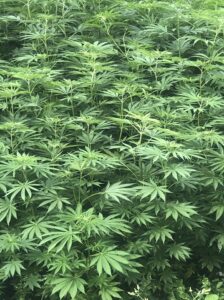
Hemp is a variety of the Cannabis sativa plant that has been cultivated for industrial purposes for thousands of years. It is primarily grown for:
- Textiles and fashion
- Rope, paper, and bioplastics
Food products (hemp seeds, hemp oil)- Construction materials (hempcrete)
Key Characteristics of Hemp:
- Low THC Content: Hemp contains less than 0.3% THC, the psychoactive compound found in cannabis.
- High Fiber Yield: The plant grows tall (up to 4 meters) with strong, fibrous stalks ideal for fabric production.
- Sustainable Growth: Hemp requires minimal water, no pesticides, and regenerates soil, making it one of the most eco-friendly crops.
Hemp in Fashion
Hemp fibers are processed to create soft, breathable fabrics. At HempTshirts.eu, we use different blends like Hemp Cotton, Hemp Bamboo, and 100% Hemp to craft high-quality, sustainable clothing.
2. What is Cannabis?
Cannabis, also derived from Cannabis sativa, is cultivated primarily for its high THC content. Unlike hemp, cannabis is used for:
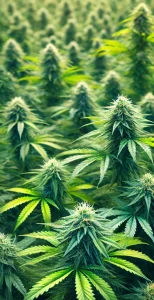
- Medicinal treatments (CBD and THC products)
- Recreational use (marijuana)
- Concentrates and edibles
Key Characteristics of Cannabis:
- High THC Levels: Unlike hemp, cannabis contains anywhere from 5% to 30% THC, making it psychoactive.
- Shorter, Bushier Plants: Cannabis plants are cultivated differently, focusing on flowers rich in cannabinoids rather than fibrous stalks.
- Controlled Cultivation: Grown in specialized environments with strict regulations, often requiring specific lighting and care.
Legal & Regulatory Differences
Most countries strictly regulate cannabis due to its psychoactive effects, while hemp is legally grown for industrial use under separate agricultural laws.
3. How to Distinguish Hemp from Cannabis?

To summarize, here are the key differences:
| Feature | Hemp (Fashion & Industry) | Cannabis (Recreational & Medicinal) |
|---|---|---|
| THC Content | Less than 0.3% | 5% – 30% |
| Primary Use | Clothing, textiles, paper, food | Medicine, recreational use |
| Plant Structure | Tall, fibrous, minimal leaves | Short, bushy, dense flowers |
| Legal Status | Legal in most countries | Regulated or restricted |
| Growth Requirements | Grows easily in various climates | Requires controlled conditions |
Why This Matters for the Fashion Industry
Understanding the difference between hemp and cannabis is crucial for customers and businesses alike. Hemp fabric is a sustainable, legal, and versatile material that should not be mistaken for cannabis. By educating people about this distinction, we can encourage more widespread adoption of hemp clothing without the stigma often associated with cannabis.
At HempTshirts.eu, we are committed to promoting the benefits of hemp-based fashion and breaking the misconceptions surrounding this incredible plant.
🌿 Wear Hemp with Pride – A Fabric for the Future! 🌿

